
On staying curious
The secret sauce for good relationships

Having opinions comes very easy to most of us, me included. What I have found over and over again is the following: if instead of sharing my opinion I get curious about what the other person is trying to say and dive in deeper by asking thoughtful questions, the conversation gets a lot better. Especially true when the topic is on the more sensitive side. Curiosity is always the best ingredient for uncovering beliefs, values, and truth.

A very dear friend of mine and I got into a conversation the other day about the use of the words Zionist/Zionism. If someone says they are anti-Zionist/Zionism, please get curious. There is more than one definition circulating around, and when someone says they are an anti, it does not have to mean they are antisemitic, or even against the existence of a Jewish state. They could be trying to be say they’re against settlements, or they are against the Israeli government, and not that they are against Jews or antisemitic.
I am a Zionist because I believe the Jews have a right to a Jewish homeland and Israel has a right to exist. My definition is from my life experience and was hardwired into my brain in the late 80’s. To me, it is a pretty simple definition and belief to hold. Of course the fact that we even have to say any country has a right to exist has issues. Does Argentina have to say it has a right to exist? Does England have to say it has a right to exist? Exactly.

My friend was not aware of my definition, and when she researched it more, she understood me, my sensitivity, and the complexity of the word/world in a greater way. Our conversation gave us both more understanding of each other. In general & to avoid misinterpretation, I feel everyone who cares about Jews and Israel wants to be careful with how they use the words Zionism/Zionist when they are not pro/for settlements or the government, especially given all of the nuances in meaning/interpretation. I have felt this way for a while, especially since October 7. When someone you like uses the phrases anti-Zionism or anti-Zionist in a way that can feel antisemitic to you, it is important to withhold judgement until you understand the context/understanding in which it is being used. Not always easy, but important. Sometimes it is blatant antisemitism, other times it could be a strong reaction against Israeli hard-liners. We all know people who have used it in these ways.

When it comes to sensitive and triggering subjects, it’s especially important to stay curious. Don’t assume someone is saying something hateful, especially if it’s someone you really like and what they saying hurts and surprises you. Definitions can morph and change for many reasons. The likelihood of people having different definitions of the same trigger word can be high.
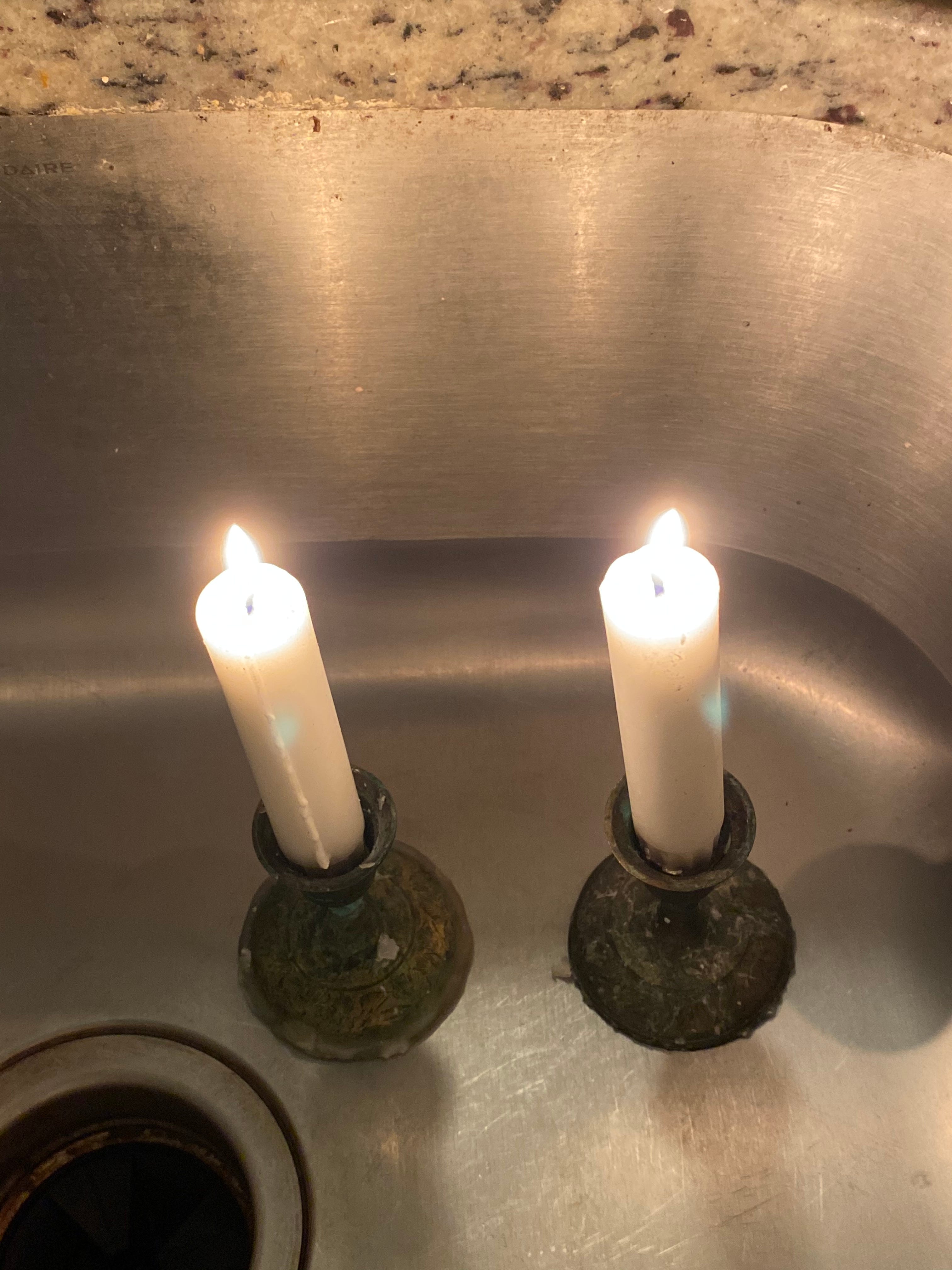
I’d much rather get on the same page with the people I interact with than assume the worst. Stay curious, friends, and Shabbat Shalom! 🤍🕯️🤍